
Project Description
Biodiversity Net Gain (BNG)
Biodiversity Net Gain (BNG) aims to leave habitats in a measurably better condition following development. In England, developments subject to mandatory BNG must achieve at least a 10% increase in biodiversity value, calculated using the statutory biodiversity metric.
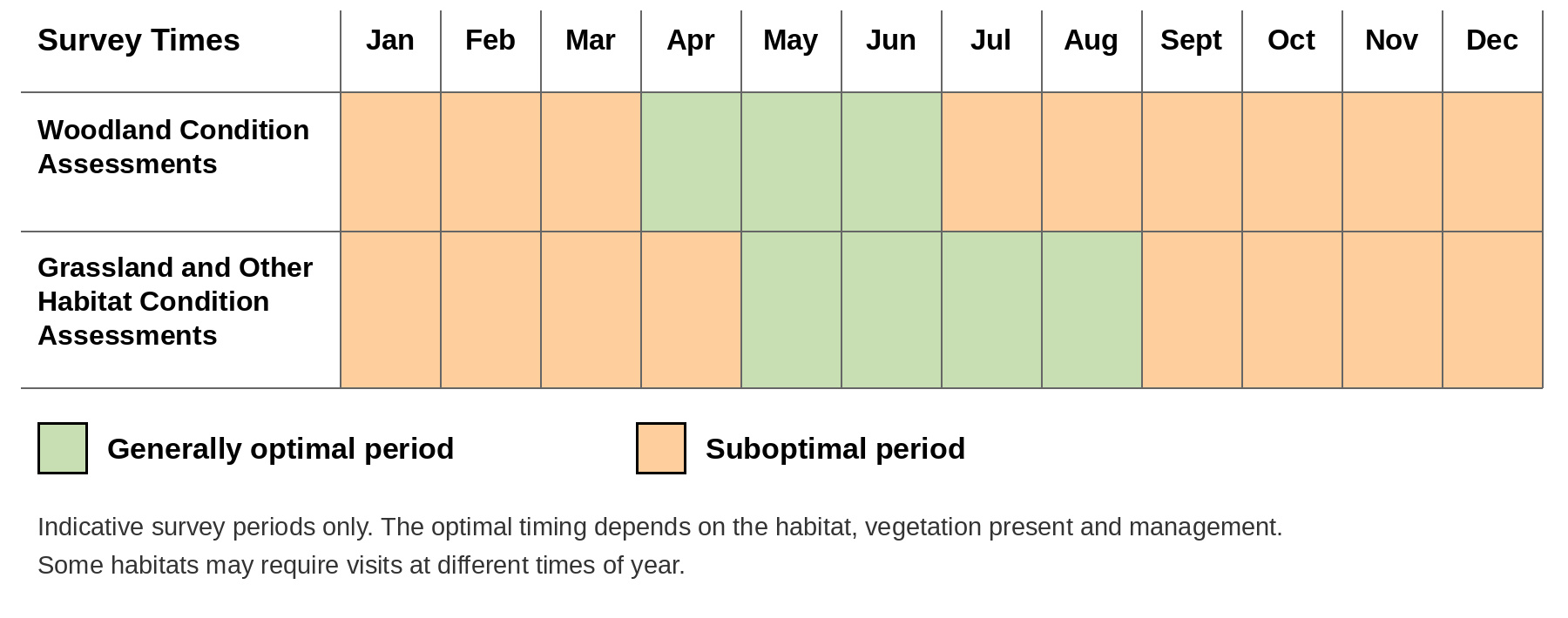
Our ecologists undertake UK Habitat Classification (UKHab) surveys and habitat condition assessments to establish the biodiversity value of a site. We assess the proposed development and landscape plans to calculate anticipated losses and gains, and advise on practical opportunities to retain, enhance and create habitats.
Working with clients and design teams from an early stage, we help incorporate BNG into development proposals and identify whether additional biodiversity units are needed beyond the site boundary. We also prepare Biodiversity Gain Plans and Habitat Management and Monitoring Plans to support delivery and the ongoing management of habitats.
Exemptions
Some developments are exempt from mandatory BNG. Common exemptions include:
- Householder applications, such as extensions and alterations to existing homes.
- Developments undertaken through permitted development rights.
- Developments with a site area of 0.2 hectares or less, subject to the application date and provided priority habitat is not affected.
- Developments affecting less than 25 square metres of habitat and less than 5 metres of linear habitat, such as hedgerows, provided priority habitat is not affected.
- Wholly temporary developments with planning permission for five years or less, subject to the application date and provided priority habitat is not affected.
The exemptions for sites of 0.2 hectares or less and temporary developments apply to planning applications made from 6 August 2026. From that date, self build and custom build developments no longer qualify for a separate exemption, although another exemption may apply.
We can advise whether an exemption applies and provide supporting ecological information where required. An exemption from BNG does not remove the need to consider other ecological planning requirements or protected species legislation.
The BNG Process
1. Reviewing your proposals
We review the proposed development, available plans and site information to establish whether Biodiversity Net Gain applies and identify the assessment requirements.
2. Surveying the site
Our ecologists undertake a UK Habitat Classification (UKHab) survey to identify and map the habitats present. We assess their condition and record the information needed to establish the site’s biodiversity value before development.
3. Calculating the baseline
We enter the survey information into the statutory biodiversity metric to calculate the site’s baseline biodiversity units. This provides the starting point against which the proposed development is assessed.
4. Assessing the proposed scheme
We work with the client and design team to assess habitat losses, retained habitats and proposed landscaping. We advise on opportunities to avoid impacts and improve biodiversity through practical habitat creation and enhancement.
5. Establishing how the required gain will be achieved
We calculate the anticipated biodiversity value following development and assess whether the scheme meets the required gain and metric rules. Where necessary, we advise on changes to the landscape proposals or the need for biodiversity units secured outside the development site.
6. Preparing plans for delivery and management
We prepare the assessment report and supporting metric calculations, together with a Biodiversity Gain Plan and Habitat Management and Monitoring Plan where required. These explain how the proposed gains will be delivered, managed and monitored. The Biodiversity Gain Plan must be approved by the Local Planning Authority before development begins, and significant gains within the site and gains secured elsewhere must be maintained for at least 30 years.

